Understanding the Thrill of Gambling
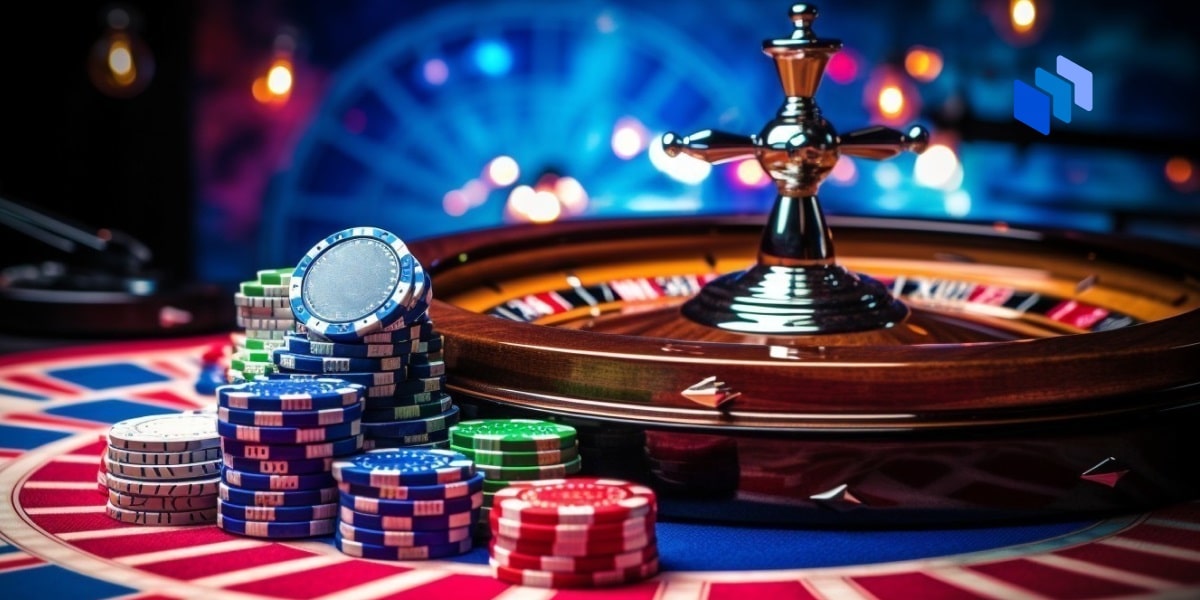
The allure of casinos lies not just in the games themselves but also in the adrenaline rush that accompanies the act of gambling. Many players are drawn to the thrill of placing bets and the anticipation that follows, which is why some may seek football betting not on gamstop. This psychological thrill can evoke a sense of excitement that is hard to replicate in other social activities. For many, the experience is akin to a roller coaster ride, where the highs and lows create an engaging emotional journey.
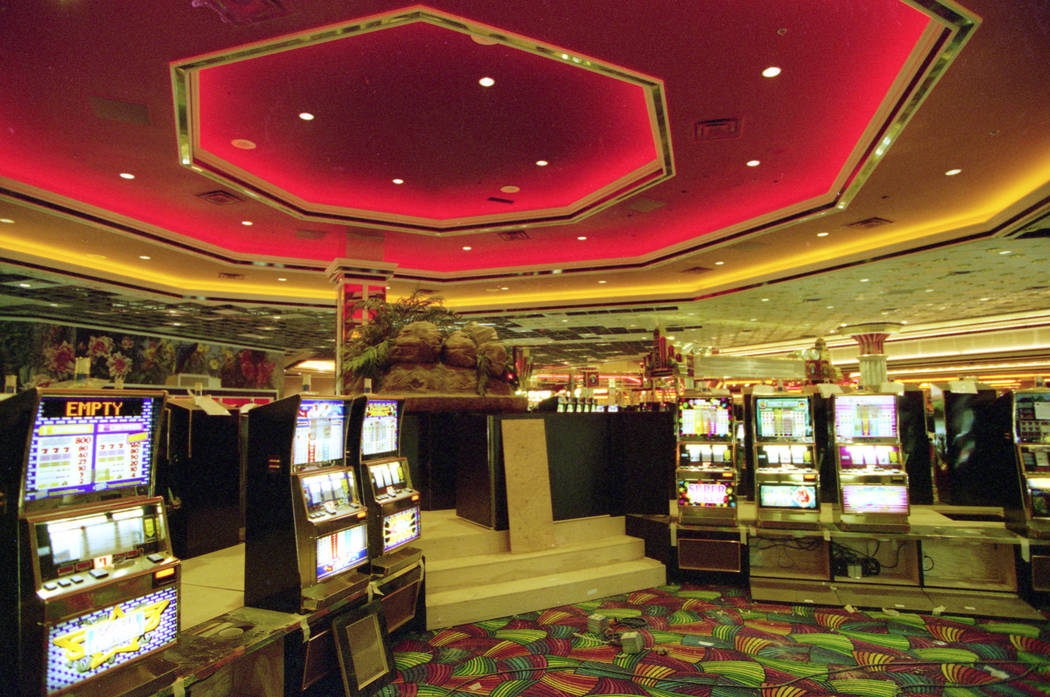
This emotional engagement is further amplified by the environment within casinos. Colorful lights, sounds of coins clinking, and the buzz of conversation all work together to create an atmosphere ripe for excitement. This sensory overload can heighten a player’s emotional response, drawing them deeper into the experience and often leading to prolonged gaming sessions.
The Role of Cognitive Biases
Cognitive biases play a significant role in the psychology of gambling. For instance, the «hot hand» fallacy gives players the belief that they are on a winning streak and that their luck will continue. This misconception can lead to increased betting, as players feel confident in their perceived prowess. Similarly, the illusion of control makes players believe they can influence the outcome of games that are purely chance-based, such as slot machines.
These biases are often reinforced by the occasional wins players experience, which can create a distorted perception of their actual odds. As a result, this can lead to a cycle of continued play, fueled by past successes and the hope for future wins, regardless of the underlying probabilities.
Social Influences on Gambling Behavior
The social aspect of gambling cannot be underestimated. Many players enjoy the communal atmosphere of casinos, where they can engage with fellow gamblers and share in the excitement of the games. This social interaction can create a sense of belonging and camaraderie, making the experience more enjoyable and memorable.
Furthermore, peer influence can significantly impact an individual’s gambling habits. Friends or family members who gamble can encourage others to join in, heightening the excitement and enhancing the willingness to place bets. This social reinforcement can make it easier for players to overlook the potential negatives of gambling and focus instead on the shared enjoyment of the experience.
The Impact of Reward Systems
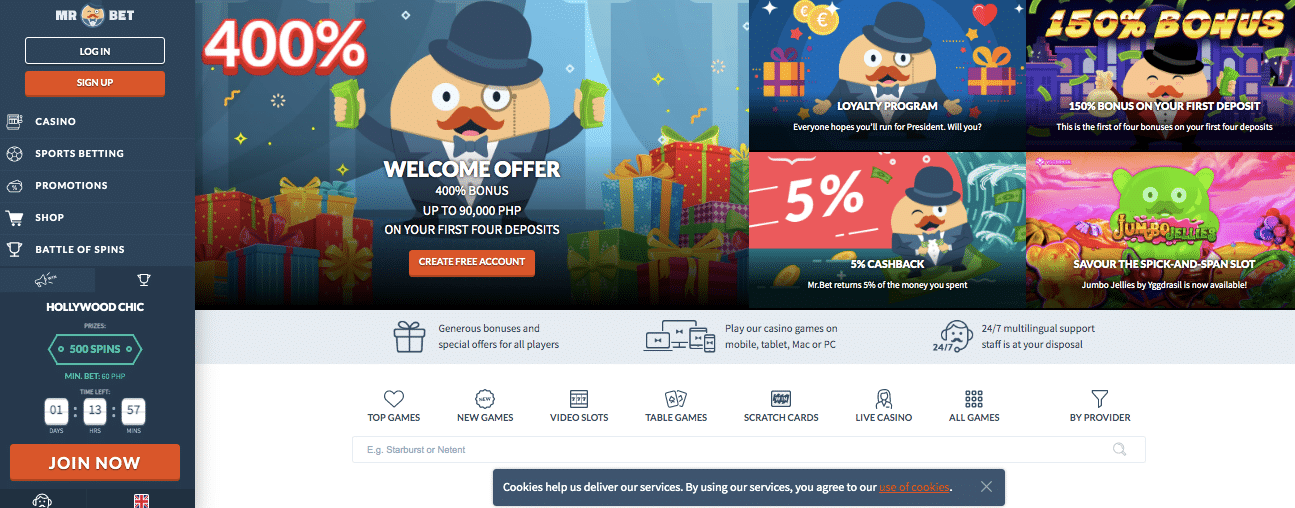
Reward systems in casinos are meticulously designed to encourage players to keep playing. These include loyalty programs, free spins, and promotional offers, which tap into the psychological principle of positive reinforcement. When players receive rewards, they associate their gambling activities with positive outcomes, even if these are not aligned with long-term success.
Moreover, the intermittent reinforcement schedule—a concept rooted in behavioral psychology—is commonly applied in gambling. Players experience wins at unpredictable intervals, which keeps them engaged and eager for the next potential payout. This randomness fuels excitement but also reinforces compulsive behaviors, as players may feel compelled to continue playing in hopes of hitting another jackpot.
![]()
Insights from Continuity Central and Gambling Research
Understanding the psychology behind gambling is essential for various stakeholders, from casino operators to policymakers. Continuity Central provides valuable insights into how external factors can influence gambling behaviors and how organizations can create responsible gaming environments. Their offerings include resources that focus on risk assessment and mitigation related to gambling activities.
Given the complexities of human psychology and gambling, continuous research and information sharing are vital. By equipping both players and industry professionals with the right tools and knowledge, we can foster an environment that promotes responsible gambling while still allowing for the thrill and excitement that players seek. This balance is crucial for ensuring a sustainable and enjoyable gaming experience for all involved.
Understanding the Thrill of Gambling
The allure of casinos lies not just in the games themselves but also in the adrenaline rush that accompanies the act of gambling. Many players are drawn to the thrill of placing bets and the anticipation that follows, which is why some may seek football betting not on gamstop. This psychological thrill can evoke a sense of excitement that is hard to replicate in other social activities. For many, the experience is akin to a roller coaster ride, where the highs and lows create an engaging emotional journey.
This emotional engagement is further amplified by the environment within casinos. Colorful lights, sounds of coins clinking, and the buzz of conversation all work together to create an atmosphere ripe for excitement. This sensory overload can heighten a player’s emotional response, drawing them deeper into the experience and often leading to prolonged gaming sessions.
The Role of Cognitive Biases
Cognitive biases play a significant role in the psychology of gambling. For instance, the «hot hand» fallacy gives players the belief that they are on a winning streak and that their luck will continue. This misconception can lead to increased betting, as players feel confident in their perceived prowess. Similarly, the illusion of control makes players believe they can influence the outcome of games that are purely chance-based, such as slot machines.
These biases are often reinforced by the occasional wins players experience, which can create a distorted perception of their actual odds. As a result, this can lead to a cycle of continued play, fueled by past successes and the hope for future wins, regardless of the underlying probabilities.
Social Influences on Gambling Behavior
The social aspect of gambling cannot be underestimated. Many players enjoy the communal atmosphere of casinos, where they can engage with fellow gamblers and share in the excitement of the games. This social interaction can create a sense of belonging and camaraderie, making the experience more enjoyable and memorable.
Furthermore, peer influence can significantly impact an individual’s gambling habits. Friends or family members who gamble can encourage others to join in, heightening the excitement and enhancing the willingness to place bets. This social reinforcement can make it easier for players to overlook the potential negatives of gambling and focus instead on the shared enjoyment of the experience.
The Impact of Reward Systems
Reward systems in casinos are meticulously designed to encourage players to keep playing. These include loyalty programs, free spins, and promotional offers, which tap into the psychological principle of positive reinforcement. When players receive rewards, they associate their gambling activities with positive outcomes, even if these are not aligned with long-term success.
Moreover, the intermittent reinforcement schedule—a concept rooted in behavioral psychology—is commonly applied in gambling. Players experience wins at unpredictable intervals, which keeps them engaged and eager for the next potential payout. This randomness fuels excitement but also reinforces compulsive behaviors, as players may feel compelled to continue playing in hopes of hitting another jackpot.
![]()
Insights from Continuity Central and Gambling Research
Understanding the psychology behind gambling is essential for various stakeholders, from casino operators to policymakers. Continuity Central provides valuable insights into how external factors can influence gambling behaviors and how organizations can create responsible gaming environments. Their offerings include resources that focus on risk assessment and mitigation related to gambling activities.
Given the complexities of human psychology and gambling, continuous research and information sharing are vital. By equipping both players and industry professionals with the right tools and knowledge, we can foster an environment that promotes responsible gambling while still allowing for the thrill and excitement that players seek. This balance is crucial for ensuring a sustainable and enjoyable gaming experience for all involved.
Understanding the Thrill of Gambling
The allure of casinos lies not just in the games themselves but also in the adrenaline rush that accompanies the act of gambling. Many players are drawn to the thrill of placing bets and the anticipation that follows, which is why some may seek football betting not on gamstop. This psychological thrill can evoke a sense of excitement that is hard to replicate in other social activities. For many, the experience is akin to a roller coaster ride, where the highs and lows create an engaging emotional journey.
This emotional engagement is further amplified by the environment within casinos. Colorful lights, sounds of coins clinking, and the buzz of conversation all work together to create an atmosphere ripe for excitement. This sensory overload can heighten a player’s emotional response, drawing them deeper into the experience and often leading to prolonged gaming sessions.
The Role of Cognitive Biases
Cognitive biases play a significant role in the psychology of gambling. For instance, the «hot hand» fallacy gives players the belief that they are on a winning streak and that their luck will continue. This misconception can lead to increased betting, as players feel confident in their perceived prowess. Similarly, the illusion of control makes players believe they can influence the outcome of games that are purely chance-based, such as slot machines.
These biases are often reinforced by the occasional wins players experience, which can create a distorted perception of their actual odds. As a result, this can lead to a cycle of continued play, fueled by past successes and the hope for future wins, regardless of the underlying probabilities.
Social Influences on Gambling Behavior
The social aspect of gambling cannot be underestimated. Many players enjoy the communal atmosphere of casinos, where they can engage with fellow gamblers and share in the excitement of the games. This social interaction can create a sense of belonging and camaraderie, making the experience more enjoyable and memorable.
Furthermore, peer influence can significantly impact an individual’s gambling habits. Friends or family members who gamble can encourage others to join in, heightening the excitement and enhancing the willingness to place bets. This social reinforcement can make it easier for players to overlook the potential negatives of gambling and focus instead on the shared enjoyment of the experience.
The Impact of Reward Systems
Reward systems in casinos are meticulously designed to encourage players to keep playing. These include loyalty programs, free spins, and promotional offers, which tap into the psychological principle of positive reinforcement. When players receive rewards, they associate their gambling activities with positive outcomes, even if these are not aligned with long-term success.
Moreover, the intermittent reinforcement schedule—a concept rooted in behavioral psychology—is commonly applied in gambling. Players experience wins at unpredictable intervals, which keeps them engaged and eager for the next potential payout. This randomness fuels excitement but also reinforces compulsive behaviors, as players may feel compelled to continue playing in hopes of hitting another jackpot.
![]()
Insights from Continuity Central and Gambling Research
Understanding the psychology behind gambling is essential for various stakeholders, from casino operators to policymakers. Continuity Central provides valuable insights into how external factors can influence gambling behaviors and how organizations can create responsible gaming environments. Their offerings include resources that focus on risk assessment and mitigation related to gambling activities.
Given the complexities of human psychology and gambling, continuous research and information sharing are vital. By equipping both players and industry professionals with the right tools and knowledge, we can foster an environment that promotes responsible gambling while still allowing for the thrill and excitement that players seek. This balance is crucial for ensuring a sustainable and enjoyable gaming experience for all involved.
Understanding the Thrill of Gambling
The allure of casinos lies not just in the games themselves but also in the adrenaline rush that accompanies the act of gambling. Many players are drawn to the thrill of placing bets and the anticipation that follows, which is why some may seek football betting not on gamstop. This psychological thrill can evoke a sense of excitement that is hard to replicate in other social activities. For many, the experience is akin to a roller coaster ride, where the highs and lows create an engaging emotional journey.
This emotional engagement is further amplified by the environment within casinos. Colorful lights, sounds of coins clinking, and the buzz of conversation all work together to create an atmosphere ripe for excitement. This sensory overload can heighten a player’s emotional response, drawing them deeper into the experience and often leading to prolonged gaming sessions.
The Role of Cognitive Biases
Cognitive biases play a significant role in the psychology of gambling. For instance, the «hot hand» fallacy gives players the belief that they are on a winning streak and that their luck will continue. This misconception can lead to increased betting, as players feel confident in their perceived prowess. Similarly, the illusion of control makes players believe they can influence the outcome of games that are purely chance-based, such as slot machines.
These biases are often reinforced by the occasional wins players experience, which can create a distorted perception of their actual odds. As a result, this can lead to a cycle of continued play, fueled by past successes and the hope for future wins, regardless of the underlying probabilities.
Social Influences on Gambling Behavior
The social aspect of gambling cannot be underestimated. Many players enjoy the communal atmosphere of casinos, where they can engage with fellow gamblers and share in the excitement of the games. This social interaction can create a sense of belonging and camaraderie, making the experience more enjoyable and memorable.
Furthermore, peer influence can significantly impact an individual’s gambling habits. Friends or family members who gamble can encourage others to join in, heightening the excitement and enhancing the willingness to place bets. This social reinforcement can make it easier for players to overlook the potential negatives of gambling and focus instead on the shared enjoyment of the experience.
The Impact of Reward Systems
Reward systems in casinos are meticulously designed to encourage players to keep playing. These include loyalty programs, free spins, and promotional offers, which tap into the psychological principle of positive reinforcement. When players receive rewards, they associate their gambling activities with positive outcomes, even if these are not aligned with long-term success.
Moreover, the intermittent reinforcement schedule—a concept rooted in behavioral psychology—is commonly applied in gambling. Players experience wins at unpredictable intervals, which keeps them engaged and eager for the next potential payout. This randomness fuels excitement but also reinforces compulsive behaviors, as players may feel compelled to continue playing in hopes of hitting another jackpot.
![]()
Insights from Continuity Central and Gambling Research
Understanding the psychology behind gambling is essential for various stakeholders, from casino operators to policymakers. Continuity Central provides valuable insights into how external factors can influence gambling behaviors and how organizations can create responsible gaming environments. Their offerings include resources that focus on risk assessment and mitigation related to gambling activities.
Given the complexities of human psychology and gambling, continuous research and information sharing are vital. By equipping both players and industry professionals with the right tools and knowledge, we can foster an environment that promotes responsible gambling while still allowing for the thrill and excitement that players seek. This balance is crucial for ensuring a sustainable and enjoyable gaming experience for all involved.
Understanding the Thrill of Gambling
The allure of casinos lies not just in the games themselves but also in the adrenaline rush that accompanies the act of gambling. Many players are drawn to the thrill of placing bets and the anticipation that follows, which is why some may seek football betting not on gamstop. This psychological thrill can evoke a sense of excitement that is hard to replicate in other social activities. For many, the experience is akin to a roller coaster ride, where the highs and lows create an engaging emotional journey.
This emotional engagement is further amplified by the environment within casinos. Colorful lights, sounds of coins clinking, and the buzz of conversation all work together to create an atmosphere ripe for excitement. This sensory overload can heighten a player’s emotional response, drawing them deeper into the experience and often leading to prolonged gaming sessions.
The Role of Cognitive Biases
Cognitive biases play a significant role in the psychology of gambling. For instance, the «hot hand» fallacy gives players the belief that they are on a winning streak and that their luck will continue. This misconception can lead to increased betting, as players feel confident in their perceived prowess. Similarly, the illusion of control makes players believe they can influence the outcome of games that are purely chance-based, such as slot machines.
These biases are often reinforced by the occasional wins players experience, which can create a distorted perception of their actual odds. As a result, this can lead to a cycle of continued play, fueled by past successes and the hope for future wins, regardless of the underlying probabilities.
Social Influences on Gambling Behavior
The social aspect of gambling cannot be underestimated. Many players enjoy the communal atmosphere of casinos, where they can engage with fellow gamblers and share in the excitement of the games. This social interaction can create a sense of belonging and camaraderie, making the experience more enjoyable and memorable.
Furthermore, peer influence can significantly impact an individual’s gambling habits. Friends or family members who gamble can encourage others to join in, heightening the excitement and enhancing the willingness to place bets. This social reinforcement can make it easier for players to overlook the potential negatives of gambling and focus instead on the shared enjoyment of the experience.
The Impact of Reward Systems
Reward systems in casinos are meticulously designed to encourage players to keep playing. These include loyalty programs, free spins, and promotional offers, which tap into the psychological principle of positive reinforcement. When players receive rewards, they associate their gambling activities with positive outcomes, even if these are not aligned with long-term success.
Moreover, the intermittent reinforcement schedule—a concept rooted in behavioral psychology—is commonly applied in gambling. Players experience wins at unpredictable intervals, which keeps them engaged and eager for the next potential payout. This randomness fuels excitement but also reinforces compulsive behaviors, as players may feel compelled to continue playing in hopes of hitting another jackpot.
![]()
Insights from Continuity Central and Gambling Research
Understanding the psychology behind gambling is essential for various stakeholders, from casino operators to policymakers. Continuity Central provides valuable insights into how external factors can influence gambling behaviors and how organizations can create responsible gaming environments. Their offerings include resources that focus on risk assessment and mitigation related to gambling activities.
Given the complexities of human psychology and gambling, continuous research and information sharing are vital. By equipping both players and industry professionals with the right tools and knowledge, we can foster an environment that promotes responsible gambling while still allowing for the thrill and excitement that players seek. This balance is crucial for ensuring a sustainable and enjoyable gaming experience for all involved.
Understanding the Thrill of Gambling
The allure of casinos lies not just in the games themselves but also in the adrenaline rush that accompanies the act of gambling. Many players are drawn to the thrill of placing bets and the anticipation that follows, which is why some may seek football betting not on gamstop. This psychological thrill can evoke a sense of excitement that is hard to replicate in other social activities. For many, the experience is akin to a roller coaster ride, where the highs and lows create an engaging emotional journey.
This emotional engagement is further amplified by the environment within casinos. Colorful lights, sounds of coins clinking, and the buzz of conversation all work together to create an atmosphere ripe for excitement. This sensory overload can heighten a player’s emotional response, drawing them deeper into the experience and often leading to prolonged gaming sessions.
The Role of Cognitive Biases
Cognitive biases play a significant role in the psychology of gambling. For instance, the «hot hand» fallacy gives players the belief that they are on a winning streak and that their luck will continue. This misconception can lead to increased betting, as players feel confident in their perceived prowess. Similarly, the illusion of control makes players believe they can influence the outcome of games that are purely chance-based, such as slot machines.
These biases are often reinforced by the occasional wins players experience, which can create a distorted perception of their actual odds. As a result, this can lead to a cycle of continued play, fueled by past successes and the hope for future wins, regardless of the underlying probabilities.
Social Influences on Gambling Behavior
The social aspect of gambling cannot be underestimated. Many players enjoy the communal atmosphere of casinos, where they can engage with fellow gamblers and share in the excitement of the games. This social interaction can create a sense of belonging and camaraderie, making the experience more enjoyable and memorable.
Furthermore, peer influence can significantly impact an individual’s gambling habits. Friends or family members who gamble can encourage others to join in, heightening the excitement and enhancing the willingness to place bets. This social reinforcement can make it easier for players to overlook the potential negatives of gambling and focus instead on the shared enjoyment of the experience.
The Impact of Reward Systems
Reward systems in casinos are meticulously designed to encourage players to keep playing. These include loyalty programs, free spins, and promotional offers, which tap into the psychological principle of positive reinforcement. When players receive rewards, they associate their gambling activities with positive outcomes, even if these are not aligned with long-term success.
Moreover, the intermittent reinforcement schedule—a concept rooted in behavioral psychology—is commonly applied in gambling. Players experience wins at unpredictable intervals, which keeps them engaged and eager for the next potential payout. This randomness fuels excitement but also reinforces compulsive behaviors, as players may feel compelled to continue playing in hopes of hitting another jackpot.
![]()
Insights from Continuity Central and Gambling Research
Understanding the psychology behind gambling is essential for various stakeholders, from casino operators to policymakers. Continuity Central provides valuable insights into how external factors can influence gambling behaviors and how organizations can create responsible gaming environments. Their offerings include resources that focus on risk assessment and mitigation related to gambling activities.
Given the complexities of human psychology and gambling, continuous research and information sharing are vital. By equipping both players and industry professionals with the right tools and knowledge, we can foster an environment that promotes responsible gambling while still allowing for the thrill and excitement that players seek. This balance is crucial for ensuring a sustainable and enjoyable gaming experience for all involved.
Understanding the Thrill of Gambling
The allure of casinos lies not just in the games themselves but also in the adrenaline rush that accompanies the act of gambling. Many players are drawn to the thrill of placing bets and the anticipation that follows, which is why some may seek football betting not on gamstop. This psychological thrill can evoke a sense of excitement that is hard to replicate in other social activities. For many, the experience is akin to a roller coaster ride, where the highs and lows create an engaging emotional journey.
This emotional engagement is further amplified by the environment within casinos. Colorful lights, sounds of coins clinking, and the buzz of conversation all work together to create an atmosphere ripe for excitement. This sensory overload can heighten a player’s emotional response, drawing them deeper into the experience and often leading to prolonged gaming sessions.
The Role of Cognitive Biases
Cognitive biases play a significant role in the psychology of gambling. For instance, the «hot hand» fallacy gives players the belief that they are on a winning streak and that their luck will continue. This misconception can lead to increased betting, as players feel confident in their perceived prowess. Similarly, the illusion of control makes players believe they can influence the outcome of games that are purely chance-based, such as slot machines.
These biases are often reinforced by the occasional wins players experience, which can create a distorted perception of their actual odds. As a result, this can lead to a cycle of continued play, fueled by past successes and the hope for future wins, regardless of the underlying probabilities.
Social Influences on Gambling Behavior
The social aspect of gambling cannot be underestimated. Many players enjoy the communal atmosphere of casinos, where they can engage with fellow gamblers and share in the excitement of the games. This social interaction can create a sense of belonging and camaraderie, making the experience more enjoyable and memorable.
Furthermore, peer influence can significantly impact an individual’s gambling habits. Friends or family members who gamble can encourage others to join in, heightening the excitement and enhancing the willingness to place bets. This social reinforcement can make it easier for players to overlook the potential negatives of gambling and focus instead on the shared enjoyment of the experience.
The Impact of Reward Systems
Reward systems in casinos are meticulously designed to encourage players to keep playing. These include loyalty programs, free spins, and promotional offers, which tap into the psychological principle of positive reinforcement. When players receive rewards, they associate their gambling activities with positive outcomes, even if these are not aligned with long-term success.
Moreover, the intermittent reinforcement schedule—a concept rooted in behavioral psychology—is commonly applied in gambling. Players experience wins at unpredictable intervals, which keeps them engaged and eager for the next potential payout. This randomness fuels excitement but also reinforces compulsive behaviors, as players may feel compelled to continue playing in hopes of hitting another jackpot.
![]()
Insights from Continuity Central and Gambling Research
Understanding the psychology behind gambling is essential for various stakeholders, from casino operators to policymakers. Continuity Central provides valuable insights into how external factors can influence gambling behaviors and how organizations can create responsible gaming environments. Their offerings include resources that focus on risk assessment and mitigation related to gambling activities.
Given the complexities of human psychology and gambling, continuous research and information sharing are vital. By equipping both players and industry professionals with the right tools and knowledge, we can foster an environment that promotes responsible gambling while still allowing for the thrill and excitement that players seek. This balance is crucial for ensuring a sustainable and enjoyable gaming experience for all involved.
Understanding the Thrill of Gambling
The allure of casinos lies not just in the games themselves but also in the adrenaline rush that accompanies the act of gambling. Many players are drawn to the thrill of placing bets and the anticipation that follows, which is why some may seek football betting not on gamstop. This psychological thrill can evoke a sense of excitement that is hard to replicate in other social activities. For many, the experience is akin to a roller coaster ride, where the highs and lows create an engaging emotional journey.
This emotional engagement is further amplified by the environment within casinos. Colorful lights, sounds of coins clinking, and the buzz of conversation all work together to create an atmosphere ripe for excitement. This sensory overload can heighten a player’s emotional response, drawing them deeper into the experience and often leading to prolonged gaming sessions.
The Role of Cognitive Biases
Cognitive biases play a significant role in the psychology of gambling. For instance, the «hot hand» fallacy gives players the belief that they are on a winning streak and that their luck will continue. This misconception can lead to increased betting, as players feel confident in their perceived prowess. Similarly, the illusion of control makes players believe they can influence the outcome of games that are purely chance-based, such as slot machines.
These biases are often reinforced by the occasional wins players experience, which can create a distorted perception of their actual odds. As a result, this can lead to a cycle of continued play, fueled by past successes and the hope for future wins, regardless of the underlying probabilities.
Social Influences on Gambling Behavior
The social aspect of gambling cannot be underestimated. Many players enjoy the communal atmosphere of casinos, where they can engage with fellow gamblers and share in the excitement of the games. This social interaction can create a sense of belonging and camaraderie, making the experience more enjoyable and memorable.
Furthermore, peer influence can significantly impact an individual’s gambling habits. Friends or family members who gamble can encourage others to join in, heightening the excitement and enhancing the willingness to place bets. This social reinforcement can make it easier for players to overlook the potential negatives of gambling and focus instead on the shared enjoyment of the experience.
The Impact of Reward Systems
Reward systems in casinos are meticulously designed to encourage players to keep playing. These include loyalty programs, free spins, and promotional offers, which tap into the psychological principle of positive reinforcement. When players receive rewards, they associate their gambling activities with positive outcomes, even if these are not aligned with long-term success.
Moreover, the intermittent reinforcement schedule—a concept rooted in behavioral psychology—is commonly applied in gambling. Players experience wins at unpredictable intervals, which keeps them engaged and eager for the next potential payout. This randomness fuels excitement but also reinforces compulsive behaviors, as players may feel compelled to continue playing in hopes of hitting another jackpot.
![]()
Insights from Continuity Central and Gambling Research
Understanding the psychology behind gambling is essential for various stakeholders, from casino operators to policymakers. Continuity Central provides valuable insights into how external factors can influence gambling behaviors and how organizations can create responsible gaming environments. Their offerings include resources that focus on risk assessment and mitigation related to gambling activities.
Given the complexities of human psychology and gambling, continuous research and information sharing are vital. By equipping both players and industry professionals with the right tools and knowledge, we can foster an environment that promotes responsible gambling while still allowing for the thrill and excitement that players seek. This balance is crucial for ensuring a sustainable and enjoyable gaming experience for all involved.
The Allure of Randomness
The thrill of uncertainty is a powerful motivator in casino gaming. Players are often drawn to the random outcomes of games, such as slots and roulette, where chance plays a significant role. This unpredictability triggers our brain’s reward system, releasing dopamine and creating a euphoric feeling when wins occur. For those interested in betting, exploring the best sport betting sites can enhance the excitement of such outcomes. The anticipation of this potential reward can become addictive, prompting individuals to seek out these experiences repeatedly.
Moreover, the psychology of randomness can lead to cognitive biases, such as the illusion of control. Many players believe they can influence outcomes through specific strategies or patterns, despite the inherent nature of these games being purely luck-based. This mindset can perpetuate engagement in gambling, as players convince themselves that they can outsmart the odds, reinforcing their desire to take risks in pursuit of larger payouts.
The Role of Social Interaction
Casinos are designed to be social environments where players engage with each other. This social aspect can significantly impact an individual’s decision-making process regarding risk-taking. When in a group, the influence of peers can encourage players to take bolder risks than they typically would on their own. The excitement shared among friends or fellow gamblers can amplify the desire to participate, leading individuals to gamble more enthusiastically.
Additionally, social games such as poker emphasize psychological strategy and the importance of reading opponents. Players often take risks based on their perceptions of others’ behavior, which adds a layer of complexity to the gambling experience. This social dynamic fosters an environment where risk-taking becomes not just about the game itself but also about interpersonal relationships and social standing.
The Impact of Environment on Behavior
The physical design of casinos plays a crucial role in influencing gamblers’ behaviors. Bright lights, vibrant colors, and engaging sounds are strategically utilized to create an exciting atmosphere that encourages prolonged play. This sensory stimulation can lead to heightened emotions and subsequent risk-taking behaviors, as players become immersed in the experience. The architectural layout often minimizes time-awareness, making it easy for individuals to lose track of how long they’ve been playing and how much they’ve wagered.
Furthermore, the availability of free drinks and other complimentary services can blur the line between moderation and excess. By creating a relaxed and celebratory environment, casinos subtly promote a mindset where players are more likely to make impulsive decisions, often leading to increased gambling risks. Understanding how environmental factors contribute to behavior is essential for comprehending the psychological aspects of casino gaming.
The Chase of Losses
Losses in gambling can be particularly painful and can lead to a psychological phenomenon known as «loss chasing.» This behavior occurs when players, after experiencing a loss, feel compelled to continue gambling in an attempt to recover what they have lost. This can create a cycle of risk-taking, where players ignore rational judgment in favor of the emotional drive to win back lost funds. The urge to chase losses is compounded by cognitive biases, such as the sunk cost fallacy, where individuals believe that they must keep investing in a losing game to justify their earlier decisions.
This aspect of gambling psychology emphasizes the importance of self-awareness and understanding personal limits. Recognizing when the desire to gamble is driven by emotion rather than strategy can help individuals make healthier choices, potentially reducing the negative impacts of gambling on their lives. The psychological struggle between rational thinking and emotional response is a central theme in understanding why people take risks in casino gaming.
Conclusion: The Reflection on Casino Gaming
In conclusion, the psychology behind casino gaming is a multifaceted topic that encompasses elements of chance, social interaction, environmental design, and emotional responses. Understanding these factors can illuminate why individuals are drawn to risk-taking behaviors in casino settings. As we explore this complex interplay, it becomes evident that both individual psychology and external influences shape our gambling experiences.
While casinos can be entertaining, it is essential to approach gambling with caution. Acknowledging the psychological triggers and risks involved can lead to more responsible gambling practices. As discussions around gambling psychology continue, resources and support systems remain crucial in ensuring a safe and enjoyable gaming experience for all players.
The Allure of Randomness
The thrill of uncertainty is a powerful motivator in casino gaming. Players are often drawn to the random outcomes of games, such as slots and roulette, where chance plays a significant role. This unpredictability triggers our brain’s reward system, releasing dopamine and creating a euphoric feeling when wins occur. For those interested in betting, exploring the best sport betting sites can enhance the excitement of such outcomes. The anticipation of this potential reward can become addictive, prompting individuals to seek out these experiences repeatedly.
Moreover, the psychology of randomness can lead to cognitive biases, such as the illusion of control. Many players believe they can influence outcomes through specific strategies or patterns, despite the inherent nature of these games being purely luck-based. This mindset can perpetuate engagement in gambling, as players convince themselves that they can outsmart the odds, reinforcing their desire to take risks in pursuit of larger payouts.
The Role of Social Interaction
Casinos are designed to be social environments where players engage with each other. This social aspect can significantly impact an individual’s decision-making process regarding risk-taking. When in a group, the influence of peers can encourage players to take bolder risks than they typically would on their own. The excitement shared among friends or fellow gamblers can amplify the desire to participate, leading individuals to gamble more enthusiastically.
Additionally, social games such as poker emphasize psychological strategy and the importance of reading opponents. Players often take risks based on their perceptions of others’ behavior, which adds a layer of complexity to the gambling experience. This social dynamic fosters an environment where risk-taking becomes not just about the game itself but also about interpersonal relationships and social standing.
The Impact of Environment on Behavior
The physical design of casinos plays a crucial role in influencing gamblers’ behaviors. Bright lights, vibrant colors, and engaging sounds are strategically utilized to create an exciting atmosphere that encourages prolonged play. This sensory stimulation can lead to heightened emotions and subsequent risk-taking behaviors, as players become immersed in the experience. The architectural layout often minimizes time-awareness, making it easy for individuals to lose track of how long they’ve been playing and how much they’ve wagered.
Furthermore, the availability of free drinks and other complimentary services can blur the line between moderation and excess. By creating a relaxed and celebratory environment, casinos subtly promote a mindset where players are more likely to make impulsive decisions, often leading to increased gambling risks. Understanding how environmental factors contribute to behavior is essential for comprehending the psychological aspects of casino gaming.
The Chase of Losses
Losses in gambling can be particularly painful and can lead to a psychological phenomenon known as «loss chasing.» This behavior occurs when players, after experiencing a loss, feel compelled to continue gambling in an attempt to recover what they have lost. This can create a cycle of risk-taking, where players ignore rational judgment in favor of the emotional drive to win back lost funds. The urge to chase losses is compounded by cognitive biases, such as the sunk cost fallacy, where individuals believe that they must keep investing in a losing game to justify their earlier decisions.
This aspect of gambling psychology emphasizes the importance of self-awareness and understanding personal limits. Recognizing when the desire to gamble is driven by emotion rather than strategy can help individuals make healthier choices, potentially reducing the negative impacts of gambling on their lives. The psychological struggle between rational thinking and emotional response is a central theme in understanding why people take risks in casino gaming.
Conclusion: The Reflection on Casino Gaming
In conclusion, the psychology behind casino gaming is a multifaceted topic that encompasses elements of chance, social interaction, environmental design, and emotional responses. Understanding these factors can illuminate why individuals are drawn to risk-taking behaviors in casino settings. As we explore this complex interplay, it becomes evident that both individual psychology and external influences shape our gambling experiences.
While casinos can be entertaining, it is essential to approach gambling with caution. Acknowledging the psychological triggers and risks involved can lead to more responsible gambling practices. As discussions around gambling psychology continue, resources and support systems remain crucial in ensuring a safe and enjoyable gaming experience for all players.