
Computers, Games

La industria de los casinos online en España ha experimentado un crecimiento exponencial en los últimos años, impulsada por SpinMama la regulación del juego en línea y el aumento de la demanda de entretenimiento digital. Este informe se centra en los mejores proveedores de juegos que han marcado la pauta en el mercado español, analizando su impacto, la calidad de sus productos y la experiencia que ofrecen a los jugadores.

1. Introducción
El mercado de los casinos online en España se ha diversificado enormemente, ofreciendo una amplia variedad de juegos que van desde tragamonedas hasta juegos de mesa en vivo. Los proveedores de software juegan un papel crucial en este ecosistema, ya que son responsables de desarrollar y mantener los juegos que atraen a los jugadores. Este informe examina a los principales actores en el sector, destacando sus características distintivas y contribuciones al mercado español.
2. Principales Proveedores de Juegos
2.1. Microgaming
Microgaming es uno de los pioneros en la industria del juego online, fundado en 1994. Su reputación se basa en la innovación y la calidad de sus productos. En España, Microgaming ofrece una amplia gama de tragamonedas, incluyendo títulos icónicos como «Mega Moolah», que ha hecho famosos a sus jackpots progresivos. Además, su plataforma de juegos en vivo ha mejorado la experiencia del usuario, permitiendo a los jugadores interactuar con crupieres reales en tiempo real.
2.2. NetEnt
NetEnt, conocido por su enfoque en la creatividad y el diseño visual, ha capturado la atención del mercado español con juegos como «Starburst» y «Gonzo’s Quest». Su tecnología de juego de última generación permite una experiencia fluida y atractiva, tanto en dispositivos de escritorio como móviles. Además, su compromiso con la responsabilidad social en el juego ha fortalecido su reputación en el sector.
2.3. Evolution Gaming
Evolution Gaming se ha consolidado como el líder en el segmento de juegos de casino en vivo. Su oferta incluye una variedad de juegos como blackjack, ruleta y baccarat, todos ellos transmitidos en alta definición desde estudios de última generación. La experiencia inmersiva que proporciona Evolution ha sido un factor clave para atraer a jugadores españoles que buscan una experiencia de casino auténtica desde la comodidad de su hogar.
2.4. Playtech
Playtech es otro gigante en la industria del juego online, conocido por su amplia gama de productos que incluyen tragamonedas, juegos de mesa y soluciones de casino en vivo. En España, Playtech ha ganado popularidad gracias a sus asociaciones con casinos de renombre y su enfoque en la personalización de la experiencia del jugador. Títulos como «Age of the Gods» han sido particularmente exitosos, ofreciendo a los jugadores la oportunidad de ganar grandes premios.
2.5. Yggdrasil Gaming
Yggdrasil es un proveedor más reciente en comparación con los anteriores, pero ha logrado destacarse gracias a su enfoque innovador en el diseño de juegos. Sus tragamonedas son conocidas por sus gráficos impresionantes y mecánicas de juego únicas. Juegos como «Vikings Go Wild» y «Jungle Books» han capturado la atención del público español, ofreciendo no solo entretenimiento, sino también grandes oportunidades de ganar.
3. Factores Clave en la Elección de Proveedores
Al elegir un proveedor de juegos, los operadores de casinos online en España consideran varios factores clave:
3.1. Calidad del Juego
La calidad del juego es primordial. Los gráficos, el sonido y la jugabilidad son aspectos que determinan la experiencia del jugador. Proveedores como NetEnt y Yggdrasil se destacan en este aspecto, ofreciendo juegos visualmente atractivos y bien diseñados.
3.2. Variedad de Juegos
La diversidad de juegos ofrecidos es otro factor crítico. Los jugadores buscan variedad, desde tragamonedas hasta juegos de mesa y opciones de casino en vivo. Proveedores como Microgaming y Playtech ofrecen un portafolio extenso que satisface diferentes preferencias.
3.3. Innovación
La innovación es esencial en un mercado tan competitivo. Proveedores que introducen nuevas mecánicas de juego, características de bonificación y tecnología de vanguardia, como la realidad aumentada y la realidad virtual, tienden a atraer más jugadores.
3.4. Seguridad y Regulación
La seguridad es una preocupación primordial para los jugadores. Los proveedores deben cumplir con las regulaciones del juego en línea en España, lo que incluye la obtención de licencias y la implementación de medidas de seguridad para proteger la información del jugador.
4. Impacto en el Mercado Español
La presencia de estos proveedores ha tenido un impacto significativo en el mercado de casinos online en España. Han contribuido a la creación de un ecosistema de juego más seguro y regulado, ofreciendo a los jugadores una experiencia de juego de alta calidad. Además, la competencia entre proveedores ha llevado a una mejora continua en la oferta de juegos, beneficiando a los consumidores.
5. Conclusión
El futuro de los casinos online en España parece prometedor, con un panorama en constante evolución impulsado por la innovación y la competencia entre proveedores. Microgaming, NetEnt, Evolution Gaming, Playtech y Yggdrasil son solo algunos de los actores que están moldeando esta industria. A medida que más jugadores se unan a la comunidad de juegos en línea, la demanda de experiencias de juego de calidad seguirá impulsando a estos proveedores a innovar y mejorar sus ofertas.
En conclusión, la elección de un proveedor de juegos es fundamental para el éxito de cualquier casino online. Los operadores deben considerar la calidad, variedad, innovación y seguridad al seleccionar a sus socios. Con el crecimiento continuo de la industria del juego en línea en España, es probable que veamos aún más avances y desarrollos emocionantes en los próximos años.
Introduction
VegaStars Casino has gained recognition as a popular online gaming platform, attracting players from various regions with its extensive selection of games, lucrative bonuses, and user-friendly interface. However, like any online service, players may encounter issues or have questions that require assistance. This report delves into the various support options available at VegaStars Casino, the efficiency of their customer service, and tips for https://vegastars-au.net/ effectively obtaining help when needed.
Overview of VegaStars Casino Support
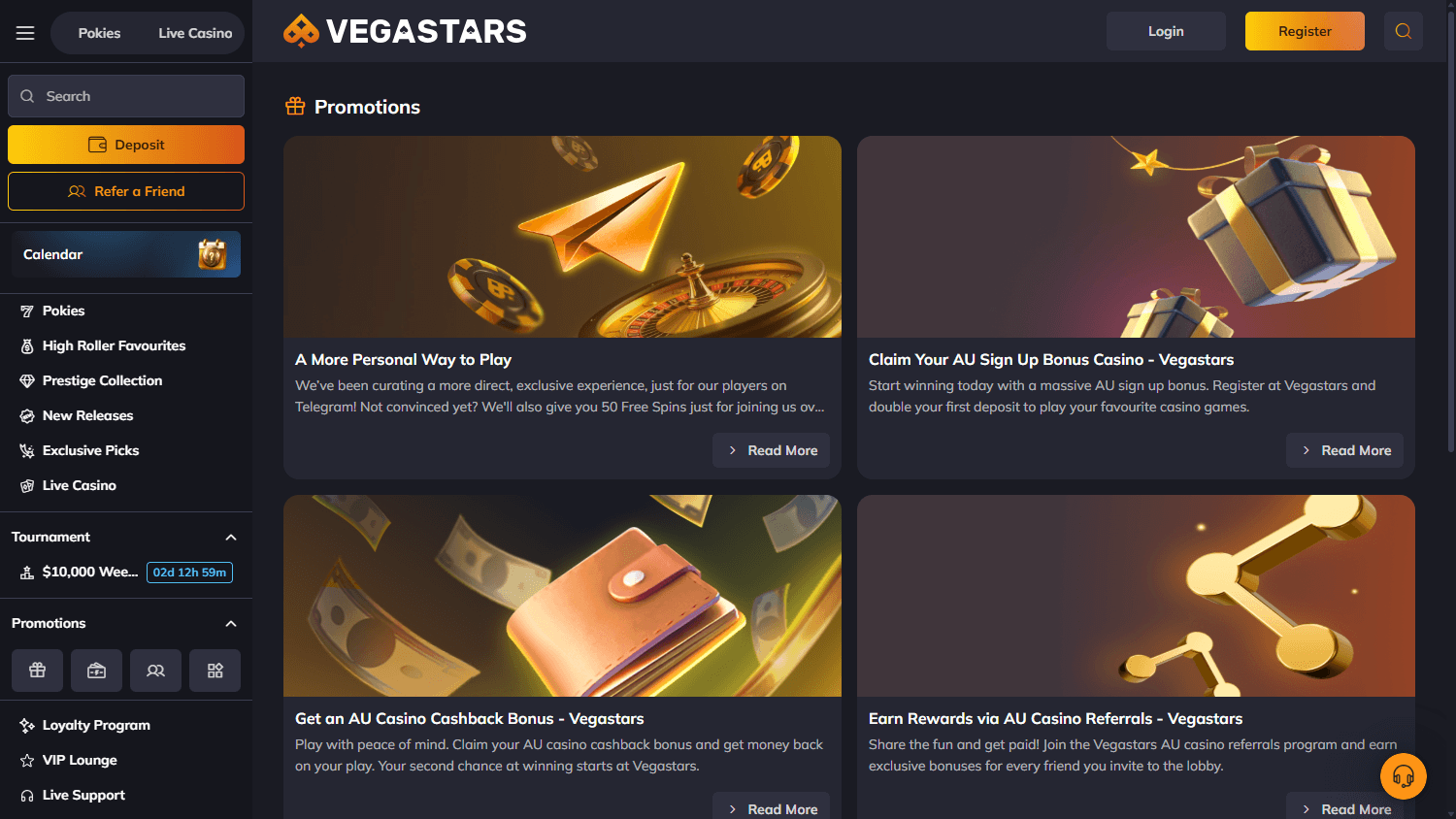
VegaStars Casino offers multiple channels for customer support, ensuring that players can find assistance in a manner that suits their preferences. The primary support options include live chat, email, and a comprehensive FAQ section. Each of these channels is designed to address different types of inquiries, ranging from technical issues to account management and game-related questions.
1. Live Chat Support
One of the standout features of VegaStars Casino’s support system is the live chat option. This service is available 24/7, allowing players to connect with a support agent in real-time. The live chat feature is particularly beneficial for urgent issues that require immediate attention, such as payment processing problems or account access issues.
To access live chat, players can navigate to the support section of the website and click on the chat icon. They will be prompted to provide their name and a brief description of their issue. The average response time is typically within a few minutes, making it one of the fastest ways to get help.
2. Email Support
For less urgent inquiries or more complex issues that may require detailed explanations, players can opt to contact VegaStars Casino via email. The casino provides a dedicated support email address, which is monitored by a team of knowledgeable agents. Players can expect a response within 24 hours, although many inquiries are addressed much sooner.
When emailing support, it is advisable to include relevant details such as account information, the nature of the issue, and any steps already taken to resolve it. This information can help the support team provide a more efficient and accurate response.
3. FAQ Section
VegaStars Casino also features a well-organized FAQ section on its website. This resource is invaluable for players seeking quick answers to common questions without the need to contact support directly. The FAQ covers a wide range of topics, including account registration, bonuses, payment methods, and game rules. Players are encouraged to explore this section first, as it may provide the information they need without further delay.
Efficiency of Customer Support
The efficiency of customer support is a critical factor for any online casino. VegaStars Casino has invested in training its support staff to ensure they are knowledgeable about the platform and its offerings. Players have reported positive experiences with the support team, noting that agents are friendly, professional, and well-equipped to handle a variety of issues.
Response times are generally quick, especially through live chat, where players can receive immediate assistance. The email support, while slightly slower, also maintains a reputation for promptness and thoroughness in addressing inquiries. Overall, the customer support experience at VegaStars Casino is designed to be user-friendly and efficient.
Tips for Getting Help Effectively
While VegaStars Casino provides multiple avenues for support, players can enhance their chances of receiving timely and effective help by following a few best practices:
1. Be Prepared
Before reaching out for help, players should gather all necessary information related to their issue. This includes account details, transaction IDs, and any relevant screenshots. Being prepared can expedite the support process, allowing agents to assist more effectively.
2. Use the Right Channel
Choosing the appropriate support channel based on the urgency and type of issue is crucial. For immediate concerns, live chat is the best option. For complex issues that may require documentation or detailed explanations, email may be more suitable. For general inquiries, the FAQ section should always be the first stop.
3. Stay Polite and Patient
While it can be frustrating to encounter issues, maintaining a polite and patient demeanor when communicating with support staff can lead to a more positive interaction. Support agents are more likely to go above and beyond for players who treat them with respect.
4. Follow Up if Necessary
If a player does not receive a response within the expected timeframe, it is perfectly acceptable to follow up on their inquiry. A polite follow-up email or message can help ensure that the issue is not overlooked and that it receives the attention it deserves.
Conclusion
In conclusion, VegaStars Casino provides a robust support system designed to assist players with a variety of inquiries and issues. With options such as live chat, email support, and a comprehensive FAQ section, players can find the help they need in a timely and efficient manner. By following best practices when seeking assistance, players can enhance their experience and resolve issues more effectively. Whether a new player or a seasoned veteran, knowing how to navigate the support options at VegaStars Casino is essential for a smooth online gaming experience.
Final Thoughts
As online gaming continues to grow in popularity, the importance of reliable customer support cannot be overstated. VegaStars Casino’s commitment to providing accessible and efficient support is a testament to its dedication to player satisfaction. By leveraging the available resources and approaching support interactions with preparedness and respect, players can ensure that their gaming experience remains enjoyable and hassle-free.
As we look ahead to 2026, understanding the costs associated with cross-country moving is essential for anyone planning a relocation. The dynamics of the moving industry are influenced by various factors including inflation, fuel prices, labor commercialrelocationpros.com costs, and the evolving real estate market. This report outlines the anticipated expenses and considerations for cross-country moves in 2026.
1. Estimated Costs of Cross-Country Moves in 2026
The average cost of a cross-country move in the United States typically ranges from $2,000 to $5,000, depending on factors such as the distance, volume of belongings, and additional services required. By 2026, it is projected that these costs will increase by approximately 10-15% due to inflation and rising operational costs. This means that individuals should expect to budget between $2,200 and $5,750 for a standard move.
2. Factors Influencing Moving Costs
Several key factors will influence moving costs in 2026:
- Fuel Prices: Fuel costs are a significant component of moving expenses. With fluctuating oil prices, moving companies may adjust their rates accordingly. If current trends continue, we could see fuel prices rise, further impacting overall moving costs.
- Labor Costs: The labor market is evolving, with increased demand for skilled workers. As wages rise, moving companies may pass these costs onto consumers. This could result in higher hourly rates for labor during a move.
- Supply Chain Issues: The moving industry has faced challenges due to supply chain disruptions. As these issues continue to affect availability and delivery times, companies may charge higher rates for expedited services.
- Real Estate Market Trends: The real estate market is another crucial factor. As housing prices rise, individuals may find themselves in a position where they are paying more for both their new home and the cost of moving their belongings.
3. Additional Services and Their Costs
In 2026, consumers may need to consider additional services that can increase moving costs:
- Packing Services: Professional packing services can save time and ensure the safety of belongings during transit. However, they can add $300 to $1,200 to the overall moving cost, depending on the volume of items.
- Storage Solutions: If there is a gap between moving out and moving into a new home, storage services may be necessary. Monthly storage fees can range from $50 to $300, depending on the size and location of the storage unit.
- Insurance Options: While moving companies typically offer basic insurance, additional coverage may be advisable for valuable items. This can add another $100 to $500 to the moving budget.
4. Tips for Reducing Moving Costs
To mitigate the rising costs of cross-country moving in 2026, consumers can consider a few strategies:
- Plan Ahead: Booking moving services well in advance can help secure better rates and availability.
- Declutter: Reducing the number of items to move can significantly lower costs. Consider donating or selling items that are no longer needed.
- Compare Quotes: Obtaining multiple quotes from different moving companies can help identify the best deal.
In conclusion, as we approach 2026, understanding the factors influencing cross-country moving costs is vital for effective budgeting. By being informed and proactive, consumers can navigate the complexities of relocation while minimizing expenses.
When deciding whether to rent or buy a home, potential residents face a myriad of factors that can significantly impact their financial stability and lifestyle. Both options have their advantages and disadvantages, https://topmovingpross.com/ and understanding these can help individuals make informed decisions before making a move.
One of the primary considerations is financial implications. Renting typically requires less upfront capital. Renters often pay a security deposit, which is usually a fraction of the total cost of a home, and their monthly payments are generally lower than mortgage payments. Additionally, renters are not responsible for property taxes, homeowners insurance, or maintenance costs, which can be significant. This affordability makes renting an attractive option for those who may be uncertain about their long-term plans or who want to maintain financial flexibility.
On the other hand, buying a home is often viewed as a long-term investment. Homeownership allows individuals to build equity over time, as mortgage payments contribute to ownership rather than simply paying for the right to occupy a space. Furthermore, in many markets, real estate appreciates in value, presenting homeowners with the potential for profit if they decide to sell. Tax benefits, such as mortgage interest deductions, can also make owning a home financially advantageous.
Another important factor to consider is lifestyle and personal circumstances. Renting offers flexibility, making it an ideal choice for individuals who may need to relocate frequently for job opportunities or personal reasons. Lease agreements typically range from six months to a year, allowing renters to reassess their living situation relatively quickly. This flexibility can be particularly appealing to younger individuals or those in transitional phases of life.
Conversely, buying a home often requires a commitment to a specific location and a longer-term vision. Homeowners may find it challenging to relocate without incurring significant costs associated with selling their property. However, for those who are ready to settle down and establish roots in a community, homeownership can provide a sense of stability and belonging.
The housing market also plays a critical role in the decision-making process. In a seller’s market, where demand exceeds supply, home prices may be inflated, making renting a more attractive option. Conversely, in a buyer’s market, where there are more homes available than buyers, purchasing a property can provide opportunities for better deals. It is essential to analyze current market conditions and consult with real estate professionals to gauge whether it is a favorable time to buy.
Additionally, personal financial health should be assessed. Factors such as credit score, debt-to-income ratio, and savings for a down payment can influence the feasibility of buying a home. Those with lower credit scores may face higher interest rates, increasing the overall cost of homeownership. Renters, on the other hand, may not need to worry about these financial metrics to the same extent.
In conclusion, the decision to rent or buy a home involves careful consideration of financial implications, lifestyle preferences, market conditions, and personal circumstances. By weighing the pros and cons of each option, individuals can make informed choices that align with their long-term goals and current needs. Whether opting for the flexibility of renting or the stability of homeownership, understanding these factors will ultimately lead to a more satisfying living arrangement.
Moving across the country can be a daunting task, officemovingamerica.com requiring careful planning and organization to ensure a smooth transition. Understanding the timeline for a cross-country move is essential to reduce stress and avoid last-minute complications. Here’s a detailed study on when to start planning your move and the key milestones to consider.
6-8 Weeks Before the Move:
The planning process should ideally begin at least two months before your moving date. This timeframe allows you to gather information, compare moving companies, and make necessary arrangements. Start by creating a moving checklist that outlines tasks such as decluttering your home, researching moving companies, and budgeting for the move. It’s crucial to obtain quotes from multiple moving companies to ensure you find the best deal and service that fits your needs. Additionally, this is the right time to inform your landlord (if renting) or your real estate agent (if selling) about your planned move.
4-6 Weeks Before the Move:
Once you have selected a moving company, it’s time to finalize your moving date and confirm the details. During this period, you should also start packing non-essential items. Begin by sorting through your belongings and deciding what to keep, donate, or discard. This decluttering process not only reduces the volume of items to move but also helps you start fresh in your new location. If you have children or pets, consider how the move may affect them and start discussing the transition with them to ease any anxiety.
2-4 Weeks Before the Move:
As the moving date approaches, focus on packing up the remaining items in your home. Label boxes clearly to facilitate unpacking at your new home. It’s also important to notify relevant parties of your change of address, including banks, insurance companies, and subscription services. Additionally, make arrangements for utilities at both your current and new home to ensure a smooth transition. If you are moving with children, this is a good time to register them at their new school.
1 Week Before the Move:
In the final week leading up to your move, confirm all arrangements with your moving company. Create a detailed inventory of your belongings to ensure everything is accounted for during the move. Pack an essentials box with items you will need immediately upon arrival at your new home, such as toiletries, clothes, and important documents. It’s also wise to prepare for the travel itself, whether by booking accommodations or planning your route if you are driving.
Moving Day:
On moving day, ensure that everything is packed and ready for the movers. Conduct a final walkthrough of your home to check for any forgotten items. Once you arrive at your new home, direct the movers on where to place your boxes and furniture, and start unpacking your essentials to settle in quickly.
In conclusion, starting your cross-country moving planning at least two months in advance can significantly ease the transition process. By following this timeline, you can ensure that every aspect of your move is organized, allowing you to focus on the exciting new chapter ahead.
Le porno anal, ou «analjob» en anglais, est un sous-genre de la pornographie qui se concentre sur les activités sexuelles impliquant la stimulation ou la pénétration anale. Ce type de contenu est devenu de plus en plus populaire au cours des deux dernières décennies, en raison de l’évolution des normes socioculturelles et de l’accessibilité accrue des contenus pour adultes sur Internet. Cette étude vise à explorer les différents aspects du porno anal, homepage y compris son impact sur la perception de la sexualité, les pratiques sécuritaires, et les implications psychologiques pour les consommateurs.
Tout d’abord, il est important de noter que le porno anal n’est pas un phénomène nouveau. Des représentations de la pénétration anale existent depuis des siècles dans l’art et la littérature. Cependant, avec l’avènement d’Internet et la démocratisation de la pornographie, ce genre a gagné en visibilité. Les sites de streaming et les plateformes de partage de vidéos ont permis à une audience plus large d’accéder à ce type de contenu, ce qui a contribué à sa normalisation dans la culture populaire.
L’un des aspects les plus discutés du porno anal est son influence sur la perception de la sexualité. Les études montrent que la consommation de pornographie, y compris le porno anal, peut façonner les attentes et les désirs sexuels des individus. Cela peut parfois conduire à des idées fausses sur la sexualité, notamment en ce qui concerne le consentement, la douleur et le plaisir. Les stéréotypes liés à la pénétration anale sont souvent renforcés par les représentations dans la pornographie, ce qui peut avoir des conséquences sur les relations interpersonnelles et les pratiques sexuelles réelles.
En ce qui concerne la sécurité, il est crucial que les consommateurs de porno anal soient informés des pratiques sexuelles sûres. L’utilisation de lubrifiants, le respect des limites personnelles et la communication entre partenaires sont des éléments essentiels pour garantir une expérience positive. Malheureusement, le porno anal est parfois associé à des risques accrus de blessures ou d’infections si les précautions nécessaires ne sont pas prises. Il est donc impératif que les acteurs de l’industrie pornographique, ainsi que les consommateurs, soient conscients de ces enjeux.
Sur le plan psychologique, la consommation de porno anal peut également avoir des effets variés. Pour certains, cela peut renforcer des fantasmes et des désirs, tandis que pour d’autres, cela peut engendrer de la culpabilité ou de l’anxiété. Les recherches indiquent que la consommation excessive de pornographie, y compris le porno anal, peut conduire à des comportements compulsifs et à des attentes irréalistes en matière de sexualité. Cela souligne l’importance d’une éducation sexuelle adéquate qui aborde ces thèmes de manière ouverte et honnête.
En conclusion, le porno anal est un sujet complexe qui mérite une attention particulière. Alors qu’il continue de gagner en popularité, il est essentiel d’explorer ses implications socioculturelles et psychologiques. Une approche équilibrée qui favorise la sécurité, le consentement et une compréhension réaliste de la sexualité est cruciale pour naviguer dans ce paysage en constante évolution. Les discussions sur le porno anal doivent être menées avec sensibilité et respect, afin de promouvoir une sexualité saine et épanouissante pour tous.
Розведення риби в ставку є популярним і вигідним заняттям для власників земельних ділянок, https://naturespace.com.ua які прагнуть не лише отримати свіжу рибу, але й прикрасити свою територію. У цій статті ми розглянемо основні аспекти, які слід врахувати при організації ставкового рибного господарства.
Перш ніж почати розведення риби, важливо визначити, які види риб ви плануєте вирощувати. Найпоширенішими видами для ставкового розведення є карп, товстолобик, білий амур та форель. Вибір виду риби залежить від кліматичних умов, якості води та ваших особистих уподобань.
Наступним кроком є підготовка ставка. Ставок повинен мати достатню площу для комфортного життя риби. Рекомендується, щоб площа ставка становила не менше 1000 квадратних метрів для успішного розведення. Глибина ставка також має значення: оптимальною вважається глибина від 1,5 до 2,5 метрів. Це дозволить рибі уникати перегріву води влітку та замерзання взимку.
Важливим аспектом є якість води. Вода повинна бути чистою і насиченою киснем. Регулярно перевіряйте рівень pH, амонію, нітратів і нітритів. Для покращення якості води можна використовувати аератори, які підвищують вміст кисню. Також важливо стежити за наявністю водоростей, які можуть негативно впливати на екосистему ставка.
Після підготовки ставка необхідно запустити рибу. Для цього слід придбати здоровий посадковий матеріал у перевірених постачальників. Рекомендується починати з невеликої кількості риби, щоб перевірити, як вона адаптується до нових умов. З часом, коли ви зрозумієте, як працює ваша система, ви можете збільшити кількість риби.
Кормлення риби є ще одним важливим аспектом. Риба повинна отримувати збалансоване харчування, що включає як рослинні, так і тваринні корми. Важливо не перегодувати рибу, оскільки це може призвести до забруднення води і зниження її якості.
Здоров’я риби також потребує уваги. Регулярно перевіряйте рибу на наявність хвороб і паразитів. У разі виявлення проблем важливо вжити заходів для їх усунення, зокрема, за допомогою медичних препаратів або зміни умов утримання.
Нарешті, не забувайте про законодавчі аспекти рибного господарства. У багатьох країнах необхідно отримати дозволи на розведення риби, а також дотримуватись норм і правил, що регулюють цю діяльність.
Розведення риби в ставку може стати не лише джерелом прибутку, але й приємним хобі. Дотримуючись наведених порад, ви зможете створити успішну рибну ферму, яка буде приносити задоволення вам і вашим близьким.
Packing a moving truck efficiently is essential for https://coloradorelocationreport.com a smooth relocation. An organized approach not only maximizes space but also protects your belongings during transit. Here’s a detailed guide to packing a moving truck like a professional, ensuring that you arrive at your new home with everything intact and in good condition.
1. Gather Supplies: Before you begin loading the truck, collect all necessary packing supplies. This includes moving blankets, bubble wrap, packing tape, and sturdy boxes. Make sure you have tools like a dolly and straps to secure your items inside the truck.
2. Plan Your Packing Strategy: Start by creating a packing plan. Visualize how you will load the truck, considering the size and shape of the items. A good strategy is to load heavier items first, followed by lighter ones. This helps maintain balance and prevents damage.
3. Disassemble Furniture: To save space, disassemble larger furniture items whenever possible. Remove legs from tables, take apart bed frames, and detach shelves. Keep all screws and small parts in labeled bags to avoid losing them.
4. Use Every Inch of Space: When loading the truck, utilize every inch of space efficiently. Start by placing the largest and heaviest items at the back of the truck, against the wall. This includes appliances, sofas, and mattresses. Next, fill in gaps with smaller items like boxes and bags. Use soft items, such as cushions and blankets, to fill empty spaces and prevent items from shifting during transport.
5. Create a Stable Base: A stable base is crucial for preventing your belongings from moving around. Stack heavier boxes on the bottom and lighter ones on top. Ensure that the weight is evenly distributed across the truck to maintain stability while driving.
6. Secure Your Load: Once everything is loaded, secure your belongings using moving straps or rope. This step is vital to prevent items from shifting during transit, which can lead to damage. Make sure to check that everything is tightly packed and won’t move around.
7. Label Everything: As you pack, label boxes clearly with their contents and the room they belong to. This will make unpacking at your new home much easier. Consider using a color-coding system to quickly identify which boxes belong in which room.
8. Keep Essentials Accessible: Set aside a box or bag with essential items that you will need immediately upon arrival at your new home. This may include toiletries, a change of clothes, important documents, and basic kitchen supplies. Load this last so you can access it easily.
9. Take Breaks and Stay Organized: Packing a moving truck can be physically demanding. Take breaks to avoid fatigue and maintain efficiency. Keep your packing area organized to streamline the process and reduce the risk of losing items.
10. Review Before Departure: Before hitting the road, do a final check to ensure everything is packed securely. Walk around the truck to confirm that no items are left behind and that everything is properly secured.
In conclusion, packing a moving truck efficiently like a professional requires careful planning, organization, and strategic loading. By following these steps, you can ensure a smoother moving experience, protecting your belongings and making the transition to your new home as seamless as possible.