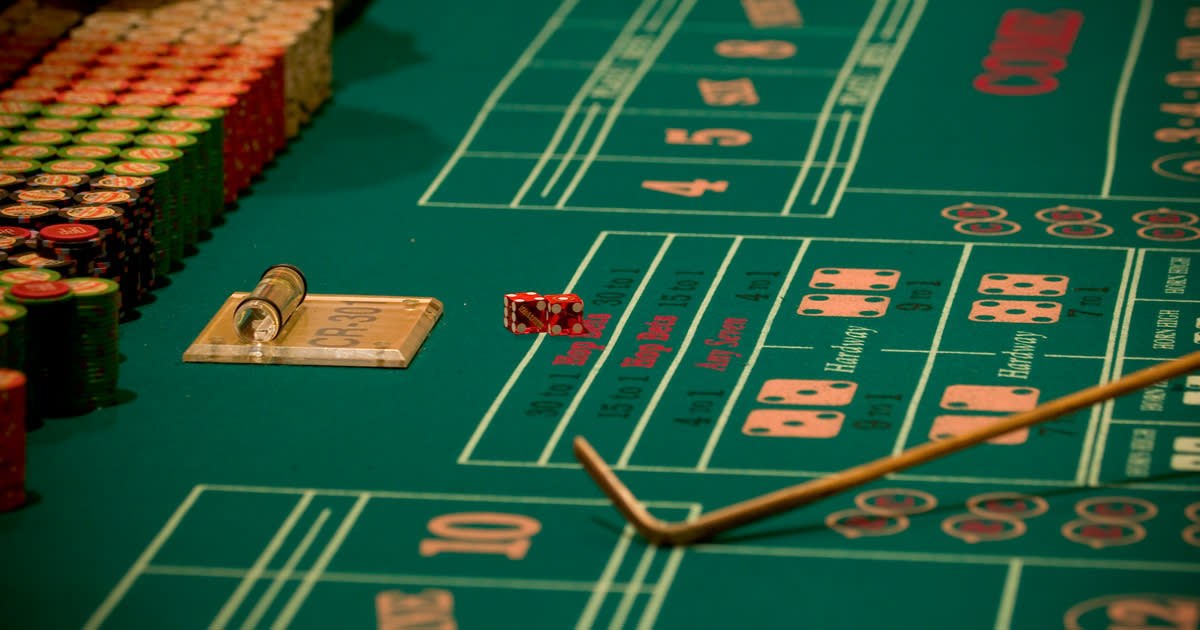
- Precise calculations and skillful aim define success in the plinko game, maximizing potential rewards
- Understanding the Physics of Plinko
- The Role of Peg Placement
- Developing a Strategic Approach
- Analyzing Board Configurations
- The Psychology of Plinko
- Managing Expectations and Risk
- Advanced Techniques and Board Variations
- The Future of Plinko and Technological Integration
Precise calculations and skillful aim define success in the plinko game, maximizing potential rewards
The allure of a game that blends chance with a degree of calculated strategy is undeniable. The plinko game, a captivating spectacle often seen in game shows, provides just that. It’s a relatively simple concept: a disc is dropped from the top of a board riddled with pegs, and as it descends, it bounces unpredictably, eventually landing in one of several slots at the bottom, each associated with a different prize or value. While the element of luck is prominent, understanding the physics at play and developing a nuanced approach to aiming can significantly increase the odds of securing a more desirable outcome.
The inherent excitement of the plinko game stems from its visual nature and the anticipation of where the disc will ultimately fall. The seemingly random path the disc takes down the board creates a thrilling experience for both players and observers. Many are drawn in by the possibility of a substantial reward, while others enjoy the pure entertainment value of watching the unpredictable journey. Beyond the entertainment factor, the game sparks curiosity about probability, physics, and strategy, leading individuals to analyze the factors that influence the final result and explore methods to improve their performance. It’s a captivating blend of simplicity and sophistication, making it a timeless favorite.
Understanding the Physics of Plinko
The path of the plinko disc isn't entirely random. The physics governing its descent are primarily dictated by gravity, the angle of impact with each peg, and the elasticity of the disc and the pegs themselves. Upon impact, the disc transfers some of its kinetic energy to the peg, and the angle of reflection depends on the angle of incidence, akin to how a ball bounces off a wall. However, the imperfections in the pegs, the slight variations in their shape and position, and even the air resistance introduce elements of unpredictability. These seemingly minor factors can accumulate over multiple bounces, leading to significant deviations from a perfectly predictable trajectory. The initial angle at which the disc is released is crucial; a slight adjustment can dramatically alter the distribution of possible landing slots.
The Role of Peg Placement
The strategic arrangement of the pegs is paramount to the game's dynamics. A denser concentration of pegs towards the top of the board generally results in more erratic movement, increasing the randomness and reducing the predictability of the outcome. Conversely, wider spacing between pegs allows for more directed movement, increasing the influence of the initial launch angle. Game designers carefully consider these factors when constructing a plinko board, aiming to balance the element of chance with a sufficient degree of skill-based influence. The height of the pegs also plays a role, with taller pegs potentially causing greater deflections and more complex trajectories. Understanding how these variables interact is key to developing a winning strategy.
| Peg Density | Trajectory Predictability | Skill Influence |
|---|---|---|
| High | Low | Low |
| Medium | Moderate | Moderate |
| Low | High | High |
This table illustrates the inverse relationship between peg density and trajectory predictability, and also how higher predictability allows for greater skill influence. A skilled player can capitalize on lower density arrangements, whereas in a dense array the game primarily leans into chance.
Developing a Strategic Approach
While luck undeniably plays a significant role, successful plinko players don't rely solely on chance. A strategic approach involves analyzing the board's layout, identifying patterns in peg placement, and developing a consistent launch technique. One effective strategy is to focus on aiming for specific areas of the board, rather than trying to pinpoint a particular slot directly. By consistently aiming for a desired zone, players can increase their probability of landing in a higher-value section. It's also essential to understand that there's no single "optimal" strategy; the best approach depends on the specific configuration of the plinko board and the player's individual skill level. Repeated practice and observation are vital for refining one’s technique and maximizing potential rewards.
Analyzing Board Configurations
Before launching the disc, careful observation of the board's configuration is essential. Look for patterns in peg placement, identify areas of high and low density, and assess the potential pathways the disc might take. Consider how the arrangement of pegs might favor certain landing slots over others. Do certain sections of the board appear to be more open or more constricted? Are there any obvious "choke points" where the disc is likely to be deflected in a particular direction? This initial analysis can provide valuable insights into the board's dynamics and inform your aiming strategy. Mental mapping of these potential pathways is a favored activity among strategists.
- Identify areas of high peg density and anticipate increased randomness.
- Recognize zones with wider spacing and consider exploiting them for directional control.
- Look for patterns that might suggest a bias towards certain landing slots.
- Observe the board's symmetry or asymmetry and adjust your aim accordingly.
These observational steps, performed before each drop, can contribute to a more informed and potentially more rewarding gameplay experience. Understanding the specific attributes of the board is a key component of improving success rates.
The Psychology of Plinko
The plinko game isn't just a test of physics and strategy; it also engages psychological factors. The inherent uncertainty of the outcome can create a sense of anticipation and excitement, leading to both positive and negative emotional responses. Players might experience a surge of dopamine when the disc lands in a high-value slot, or frustration when it falls into a less desirable one. This emotional rollercoaster can influence their subsequent decision-making, potentially leading to impulsive or irrational behavior. Understanding these psychological tendencies is crucial for maintaining a level head and making rational choices. Avoiding emotional attachment to specific outcomes and focusing on the long-term probabilities can help players make more informed decisions.
Managing Expectations and Risk
A key aspect of the psychological game is managing expectations and understanding the inherent risks involved. Acknowledging that luck plays a significant role can help mitigate disappointment when the disc doesn't land where you hoped. It's important to avoid getting caught up in the moment and making impulsive decisions based on short-term results. Instead, focus on the overall probabilities and stick to your pre-defined strategy. Thinking of the game as a series of independent trials, rather than a single event, can help reduce emotional volatility and promote a more rational approach. Acceptance of the possibility of less-than-ideal outcomes is a crucial step towards enjoying the game without becoming overly frustrated.
- Accept that luck is a major factor.
- Avoid emotional investment in individual drops.
- Focus on the long-term probabilities.
- Maintain a consistent strategic approach.
By embracing these principles, players can navigate the psychological challenges of plinko with greater composure and increase their chances of success.
Advanced Techniques and Board Variations
Beyond the fundamental strategies, more advanced techniques can further refine a player's approach. Some players experiment with different launch angles and velocities, attempting to find the optimal combination for a particular board configuration. Others focus on mastering the art of consistent aiming, minimizing variations in their launch technique. Different board variations can also introduce new challenges and opportunities. Boards with varying peg heights, staggered arrangements, or even moving pegs can significantly alter the game's dynamics, requiring players to adapt their strategies accordingly. The ability to analyze these variations and adjust your approach is a hallmark of a skilled plinko player.
The Future of Plinko and Technological Integration
The enduring appeal of the plinko game suggests a bright future, potentially incorporating new technologies to enhance the experience and introduce innovative gameplay elements. Augmented reality (AR) could overlay digital information onto the physical board, providing players with real-time data on probabilities and potential trajectories. Virtual reality (VR) could create immersive plinko environments, allowing players to compete against others in a simulated game show setting. Moreover, machine learning algorithms could analyze player behavior and board configurations to identify optimal strategies and provide personalized recommendations. These technological advancements could elevate plinko from a simple game of chance to a sophisticated blend of strategy, skill, and technological innovation, attracting a new generation of players and enthusiasts. The intersection of physical gameplay and digital enhancement offers exciting possibilities for the evolution of this classic game.
The development of predictive algorithms, coupled with player data collection, also opens doors for nuanced difficulty scaling. A digital plinko experience could dynamically adjust peg arrangements or launch parameters to match a player’s skill level, ensuring a consistently challenging and engaging experience. This kind of adaptive gameplay would further solidify the game’s long-term appeal and potential for competitive play.