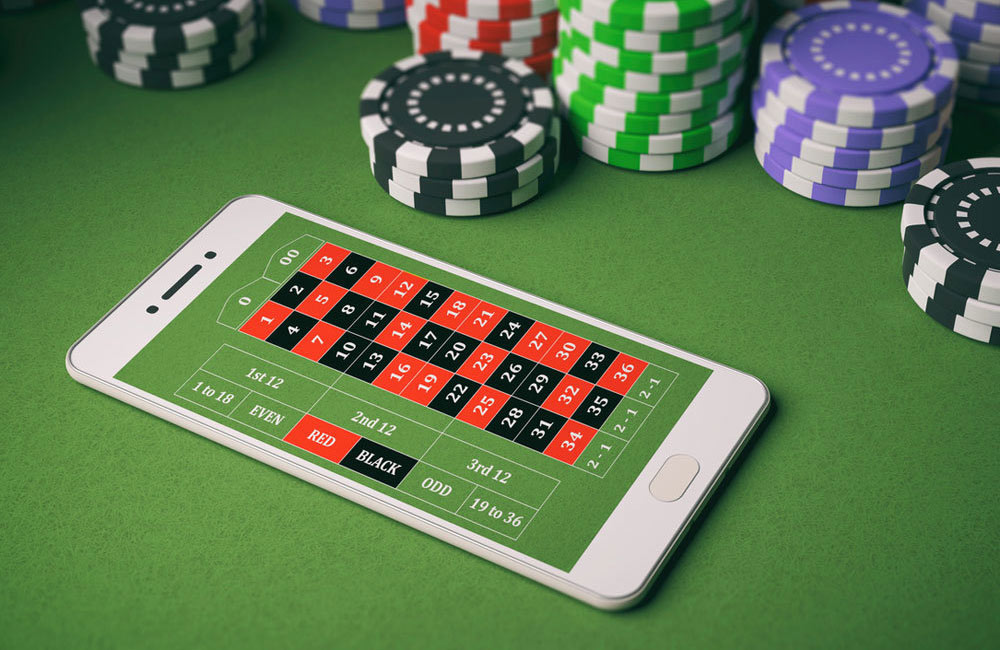
Analyzing the impact of emotions on gambling decisions
The Role of Emotions in Gambling
Emotions play a pivotal role in shaping gambling behaviors, influencing decisions from the moment players enter the gambling environment. Gamblers often experience a spectrum of feelings such as excitement, anxiety, happiness, and disappointment, which can significantly affect their choices. For instance, an initial win may trigger feelings of euphoria, leading neosurf online casino australia to more aggressive wagering patterns, while a loss could evoke frustration, prompting players to chase their losses. This emotional rollercoaster can result in irrational decisions, deviating from the calculated risk-taking ideal that many gamblers aspire to maintain. It’s crucial to understand how these emotional states can skew judgment and decision-making.
One prominent theory in psychology that connects emotion and decision-making is the Somatic Marker Hypothesis. According to this concept, emotions generate bodily responses that guide decision-making. When a player wins, they may feel an adrenaline rush, which can cloud judgment and lead to overstating their chances of future success. Conversely, the pressure to recover from losses can lead to hasty decisions that may not align with a player’s usual strategy. Analyzing these conditions helps illuminate the emotional complexity that gamblers face. Understanding these dynamics offers insights into how to better navigate the gambling landscape, emphasizing the need for emotional awareness as a critical component in responsible gambling.

Triggers in the gambling environment can significantly amplify emotions, leading to impulsive choices. The ambiance of a casino, including sounds, lights, and even the presence of other enthusiastic players, can stimulate emotions like excitement and fear of missing out. This phenomenon explains why many gamblers report increased betting when in a lively gambling environment, demonstrating that external factors often exacerbate internal emotional states. The result is a feedback loop where heightened emotions drive risky decisions, often leading to excessive gambling.
Moreover, individual personality traits can modulate how cues affect emotions. Some individuals may have a predisposition to seek thrills, making them more responsive to the stimulating environment of a casino. Others, particularly those prone to anxiety or stress, may find such environments overwhelming, affecting their capacity to make reasoned decisions. Understanding these differing responses allows for a more comprehensive picture of gambling behavior and the emotional triggers at play within different contexts. Additionally, recognizing the impact of social interactions within the gambling setting can further elucidate the emotional dynamics at work, reinforcing the need for strategies aimed at countering potentially negative emotional influences.
The Impact of Emotional Resilience
Emotional resilience refers to an individual’s ability to cope with emotional challenges and recover from setbacks effectively. In the context of gambling, players with higher emotional resilience might be better equipped to handle losses without succumbing to impulsive decisions, such as chasing after losses. For instance, a seasoned gambler may experience a loss but manage to step back and reassess their strategy, while a less resilient individual might dive deeper into gambling as a means of escaping negative feelings.

Research indicates that emotional resilience can be developed through various psychological techniques such as cognitive-behavioral therapy. By fostering self-awareness and emotional regulation, gamblers can learn to recognize their emotional triggers and implement strategies to mitigate impulsive behaviors. As such, enhancing emotional resilience can contribute to healthier gambling habits and improve decision-making processes in the gambling context. Additionally, building emotional resilience can prepare gamblers to face potential challenges in their gambling experiences, allowing them to approach their activities with a balanced mindset.
The Importance of Self-Regulation in Gambling
Self-regulation is an essential skill that allows gamblers to navigate their emotional landscape effectively. This skill involves monitoring one’s emotional responses and making conscious decisions rather than acting on impulse. Effective self-regulation can prevent a gambler from betting recklessly during moments of heightened emotion. Gamblers who can recognize when they are becoming emotionally charged can take a step back, reassess their goals, and adjust their strategy accordingly.
Practicing self-regulation techniques, such as setting loss limits or taking breaks, can be instrumental in managing emotional impulses. Players can also benefit by integrating mindfulness practices, which help enhance self-awareness and emotional control. Good self-regulation not only promotes healthier gambling habits but also encourages a more rational approach to decision-making, helping to prevent the long-term negative consequences often associated with gambling addiction. Furthermore, creating a structured plan for gambling activities can strengthen self-regulation, allowing individuals to set intentions that align with their long-term goals and well-being.
About Neosurf Online Casino Australia
At Neosurf Online Casino Australia, we understand the nuanced interplay between emotions and gambling decisions. We aim to create an environment that promotes responsible gambling while also providing an engaging experience. Our platform emphasizes informed decision-making, ensuring that players have access to the tools they need to gamble responsibly.
By incorporating educational resources and support systems focused on emotional awareness and self-regulation, we strive to enhance our users’ gaming experience. Players can enjoy our offerings while also learning vital strategies for managing their emotions, helping them make more informed and responsible gambling choices. By fostering a community that prioritizes mental well-being, we hope to contribute positively to the gambling landscape, ensuring our players can participate in a safe and responsible manner.